
Make Easy, DIY Pressure Sensors
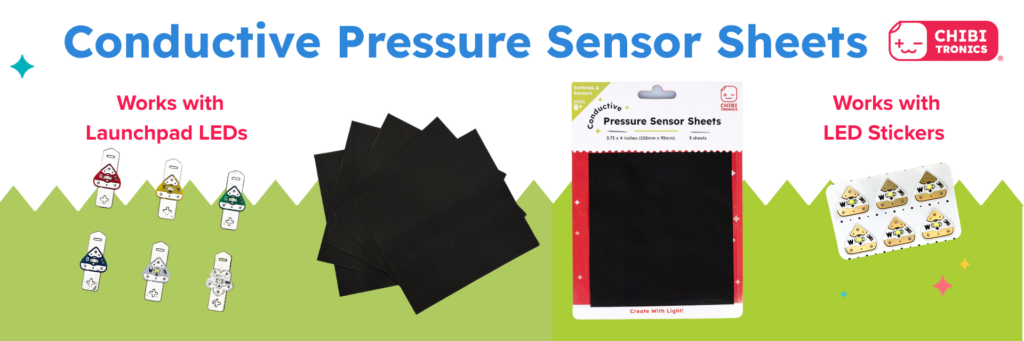
Our Conductive Pressure Sensor Sheets (similar to Velostat or Linqstat) are made of pressure-sensitive material that makes it useful for constructing DIY sensors. When a piece is placed inside of a paper switch and gradually pressed, the result is a gentle fade in and fade out effect in your projects.
This is true for most of our Launchpad LEDs and Circuit Sticker LEDs, which have built-in resistors. Pressure Sensor Sheets do not work as well with Animating LEDs, which already have special effects built in. They will not work with bare Through-Hole LEDs (which do not have built-in resistors).
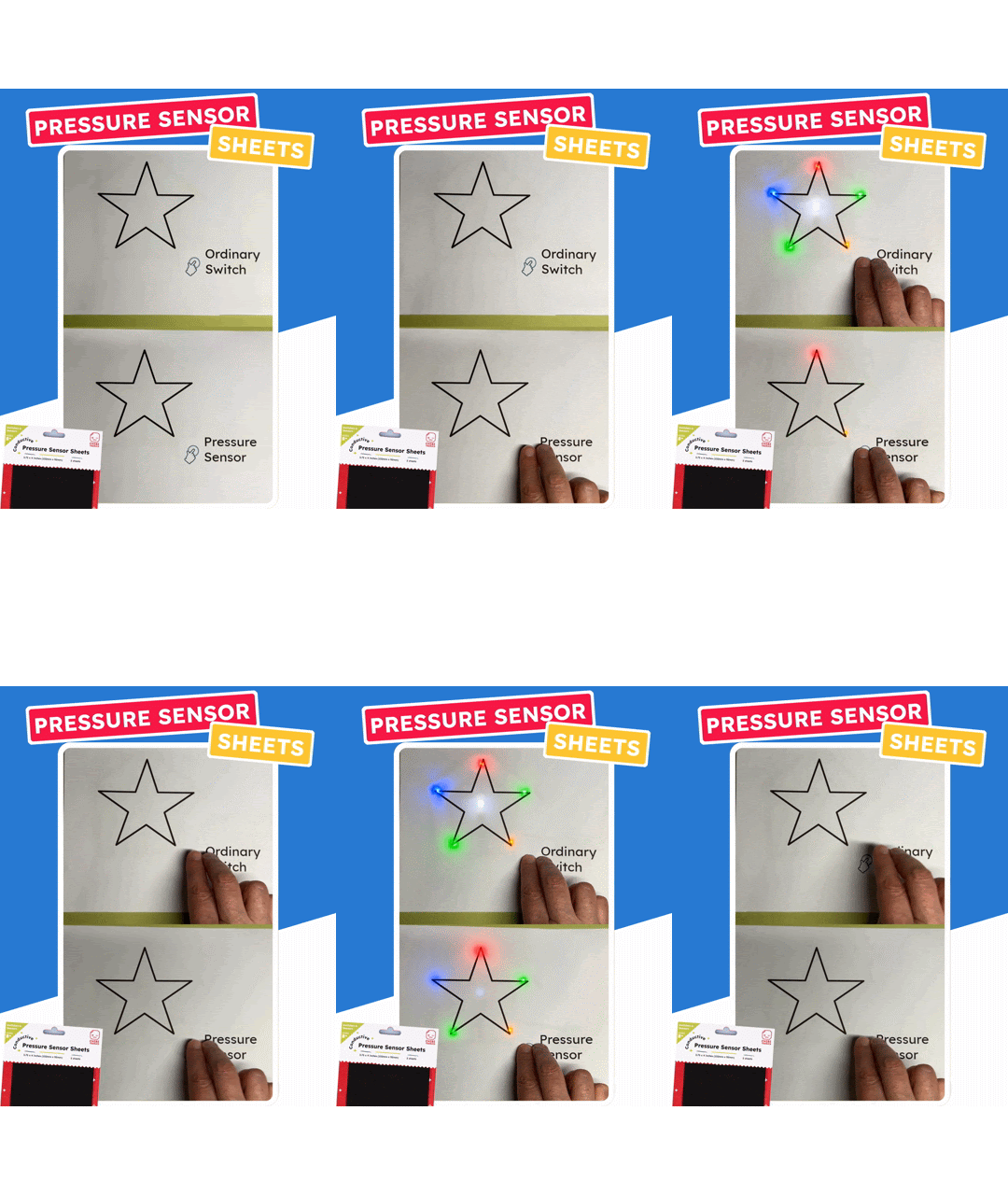
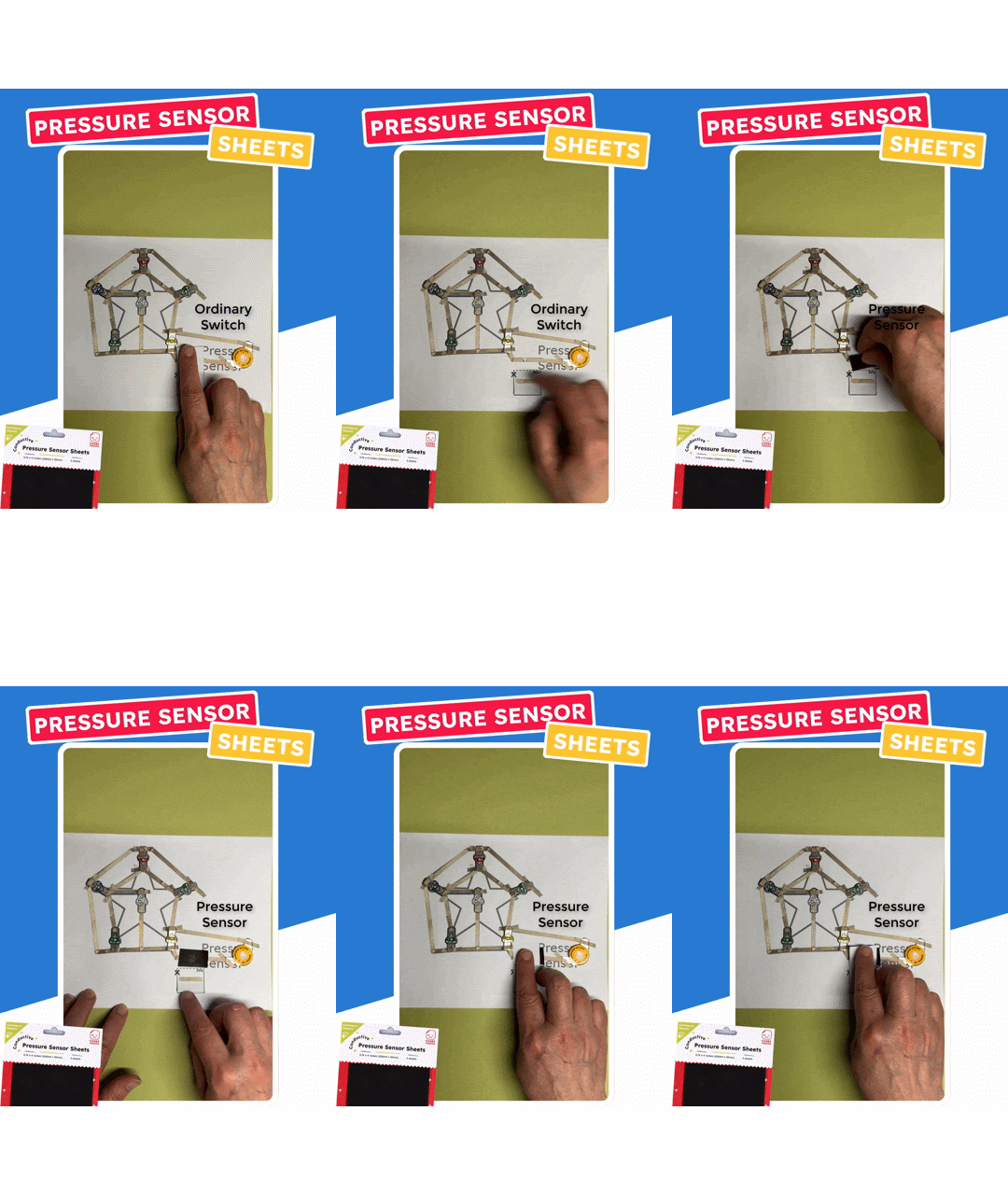
Why does this happen?
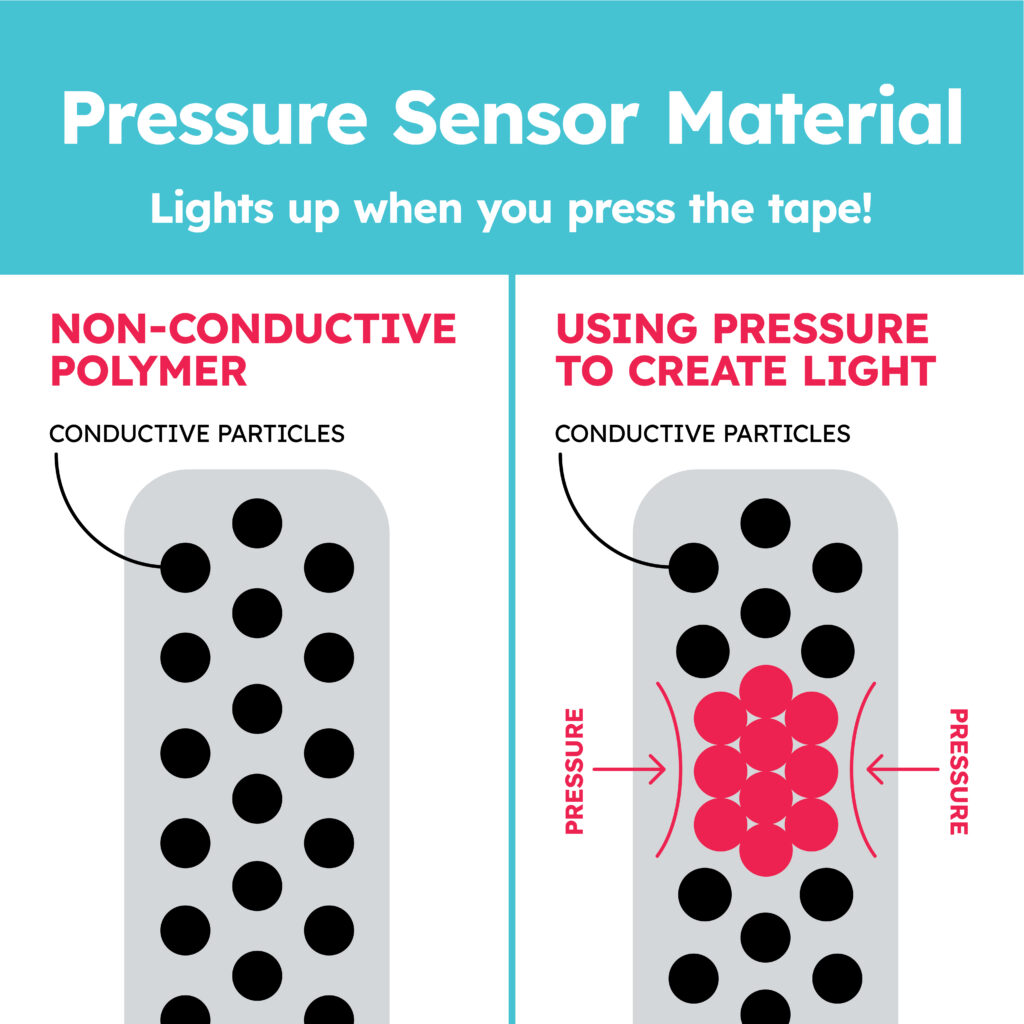
When you increase the pressure upon the material within the switch, the resistance goes down.
When you decrease the pressure, the resistance goes up.
This change in resistance impacts how much power (current) reaches the LEDs within your circuit.
When there is more resistance (less pressure on the switch), the LED will not receive as much power. Therefore, it will not shine as brightly as it would if there was nothing slowing down the current. By pressing harder on the switch to increase the pressure, the resistance goes down, allowing more power to reach the LED. As the current increases, the LED will shine brighter.
Because LEDS require different amounts of power, depending upon their color, a DIY pressure sensor will also cause different colors of LEDs to behave slightly differently from one another, based upon their unique power requirements!
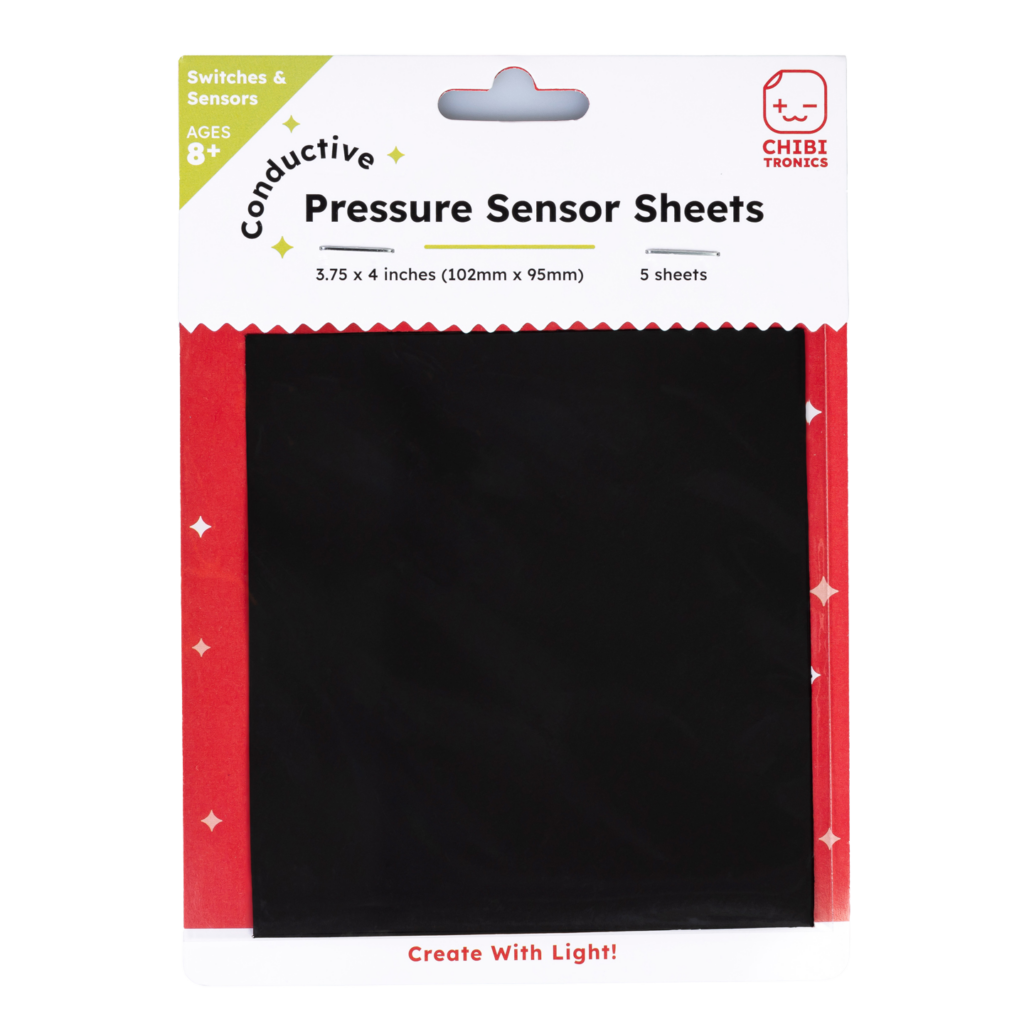
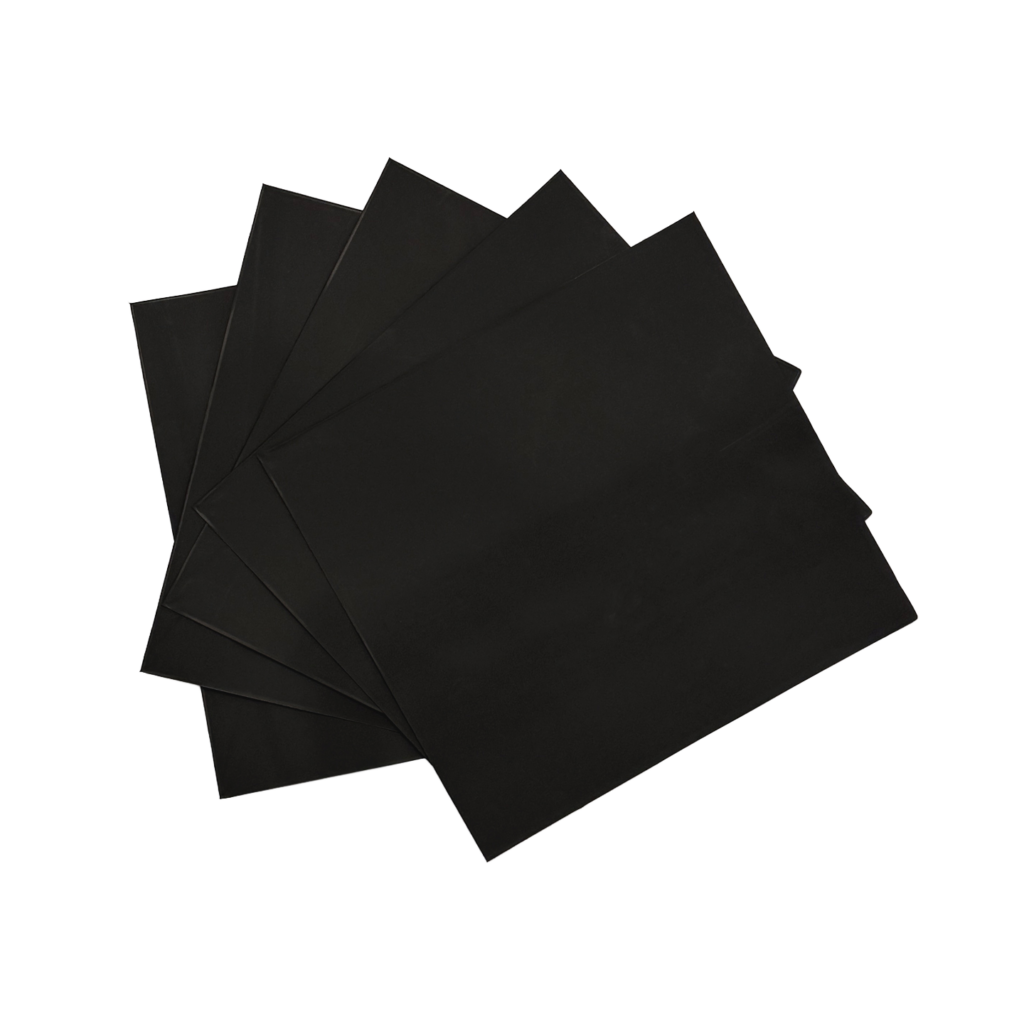
Conductive Pressure Sensor Sheets, which have a resistance of 500 ohms per square, are more conductive than other common pressure-sensitive sheets. They come five sheets to a pack (3.75 in x 4 in / 102 mm X 95 mm).
Learn More:
To learn more about how pressure sensors work, visit:
- Lesson 5: Pressure Sensor: Circuit Sticker Sketchbook
- Haunted House Part 2: Light Colors in Sequence
- 10 Ways to Use Pressure Sensitive Plastic